The Ultimate Guide to Visiting the Peak District
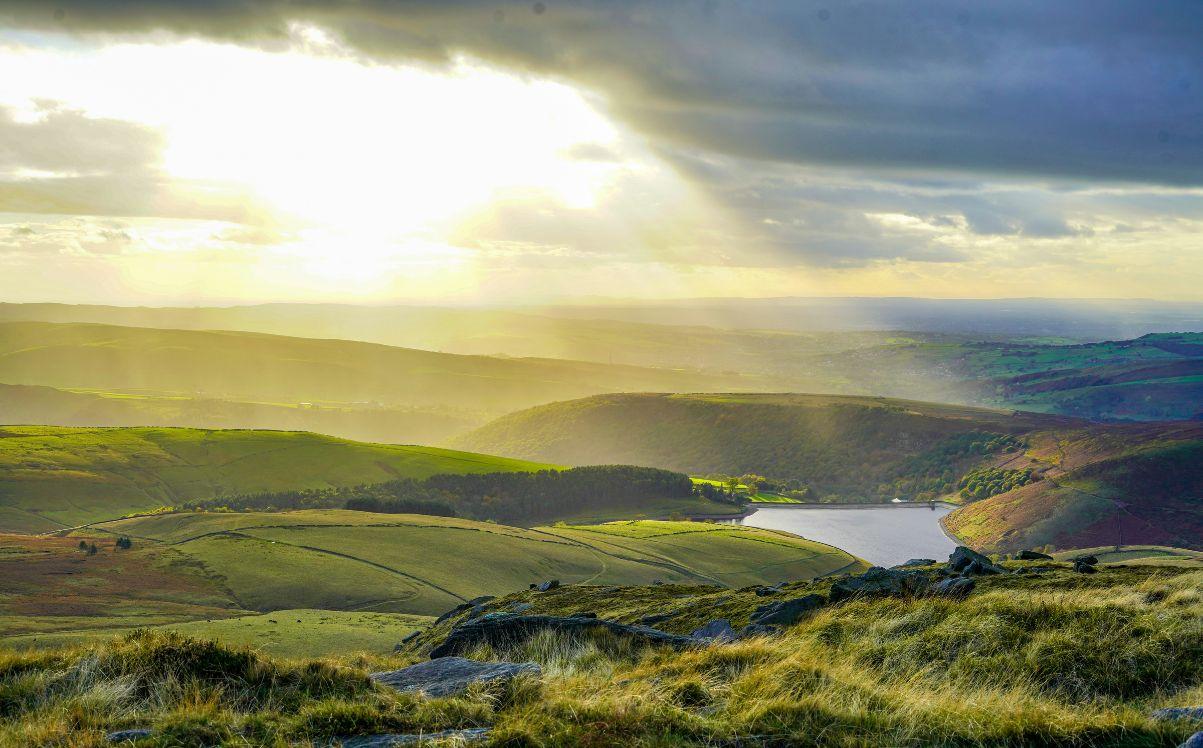
Robin Hood Farm B&BThe Peak District National Park is England's oldest national park, celebrating its 75th anniversary this year. Covering 555 square miles of moorland, dales, dramatic ridges and picturesque villages, it draws over 13 million visitors a year, and it's not hard to see why.
It's also closer than most people think: Sheffield is only 10 miles away, Manchester 15, and you can reach Birmingham in under 90 minutes.
At Robin Hood Farm, we run a B&B in Baslow, right in the heart of the National Park. We've been helping first-time visitors for years, and in this guide, we're sharing exactly what you need to know before you visit.
A Quick Overview
| Location | Derbyshire, reaching into Staffordshire, Cheshire, South Yorkshire, Greater Manchester and West Yorkshire. |
| Size | 555 square miles. |
| Established | 1951 — the UK's first National Park. |
| Best Base | Baslow, Bakewell, Hathersage or Castleton. |
| How Long | 3–5 nights for a proper first visit. |
| Best Time | May to October; September to October for golden light and smaller crowds. |
The Dark Peak and the White Peak
The Peak District National Park is divided into two distinct landscapes, and understanding the difference is one of the most useful things a first-time visitor can know.
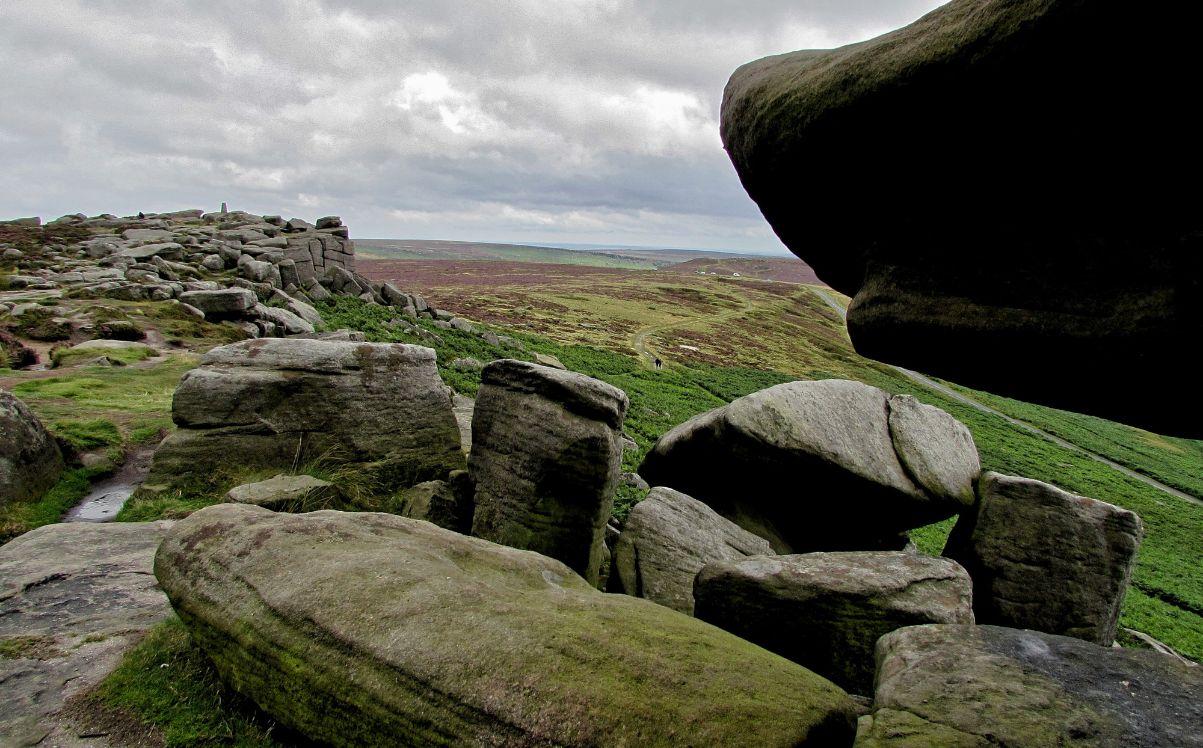
The Dark Peak covers the northern, eastern and western margins, uninhabited moorland, windswept ridges and dark gritstone edges - Stanage, Curbar, Birchen. The Hope Valley runs through it, with Hathersage, Hope and Edale nestled below. It’s wilder, more remote-feeling, and ideal for serious walking.
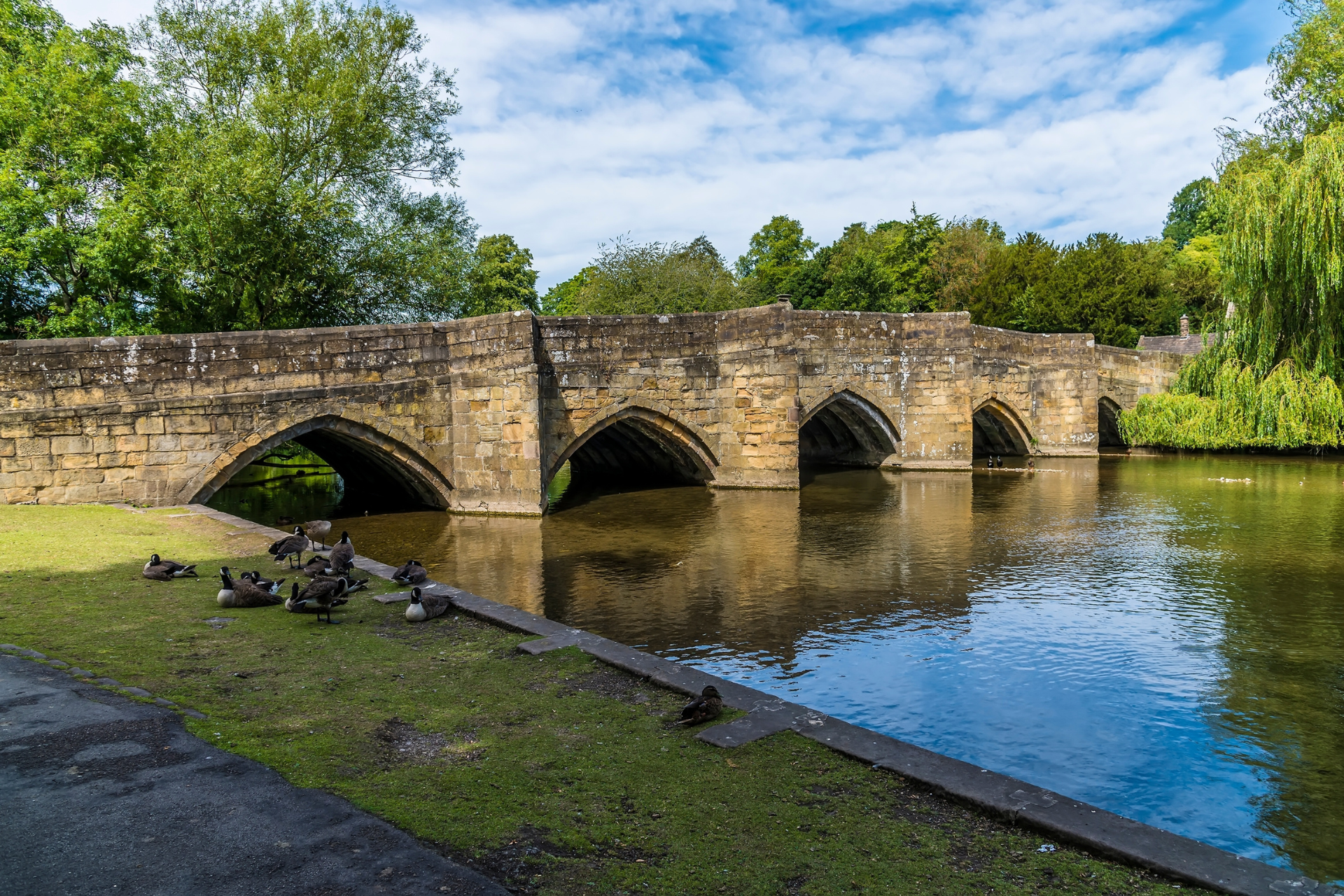
The White Peak covers the south and centre. Here you'll find pale limestone, wooded dales, gentler valleys and traditional market towns like Bakewell and Hartington. It’s more accessible, beautiful in a different way, and is where most first-time visitors spend the bulk of their time.
Here in Baslow, we sit right at the meeting point of the two, which is one of the reasons it makes such a good base.
How Long to Spend in the Peak District?
2 nights: A short break is definitely worth doing, especially if you’re coming from nearby cities. You could fit in Chatsworth, a stunning edge walk and a trip to Bakewell, though you'll probably leave wanting more.
3–4 nights: This is the sweet spot for a first visit to the Peak District. Plenty of time for both halves of the park, a moorland walk, Castleton and an afternoon with no fixed plan.
A week: For people who come back and realise there's always more. There is always more.
When to Visit the Peak District
Spring (April–May): Spring is a beautiful time to visit the region, with bluebells in the woods, lambs in the fields, quieter crowds and longer days.
Summer (June–August): Summer is our peak season. The heather is turning purple from late July, and evenings are long, and the surroundings are at their best. It’s important that you book accommodation well ahead of time during the summer.
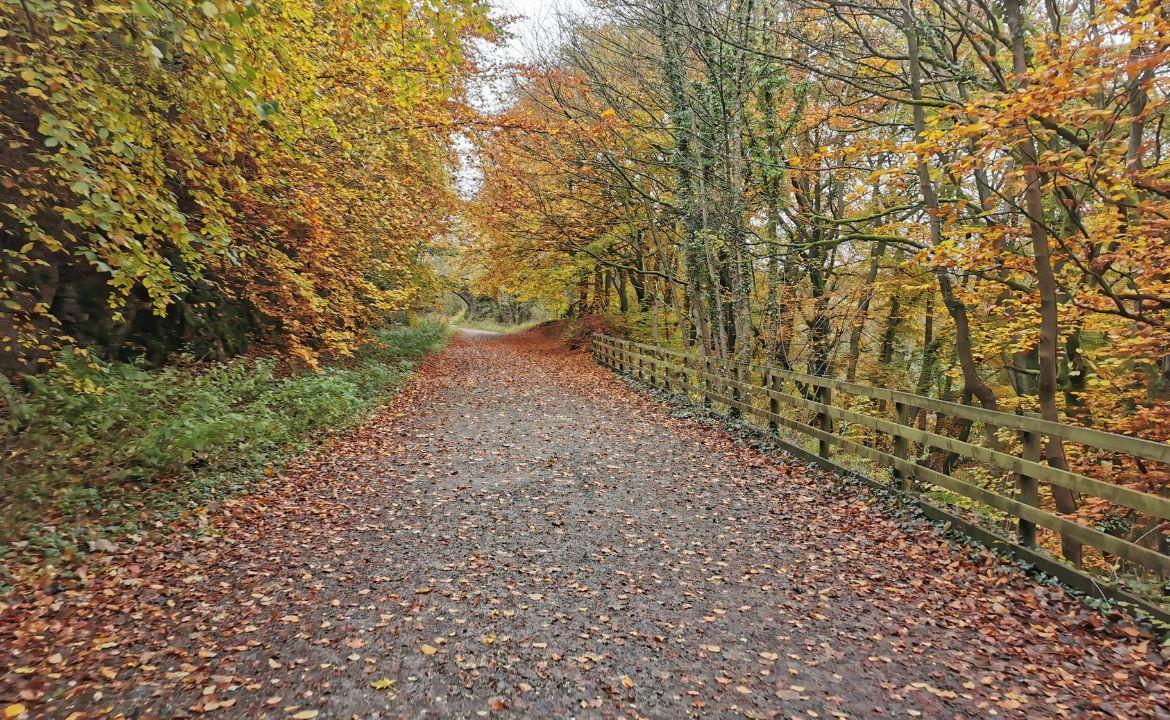
Autumn (September–October): Probably one of the best times to come. Things are beginning to turn golden, and crowds shrink after the school holidays. Plus, October is extraordinary for photography.
Winter (November–March): Winter is our quietest season. You can expect quieter car parks, frosty edges and plenty of roaring pub fires. Plus, Chatsworth House is stunning at Christmas.
Our Peak District in winter guide and the full Christmas at Chatsworth guide are useful if a winter break appeals.
Getting Here and Getting Around
Most people come to the Peak District by car. Sheffield is around 20 minutes, and Manchester is about 45–60 via the Snake Pass. Slightly further away, but reaching the Peak District from Birmingham is only around 1.5 hours, and London is 2.5–3 hours. A car makes the area much easier to explore once you're here.
By train, the Hope Valley Line (Sheffield–Manchester) stops at Hathersage, Hope and Edale. Chesterfield has direct mainline services from London St Pancras in just over 1.5 hours and is a 20-minute drive from Baslow.
Cycling is a brilliant option while you're here. If you’re not bringing your own, bikes can be hired from Hassop Station.
One practical note: the busiest car parks, for example, Stanage Edge, Dovedale, and Mam Tor, fill up completely by mid-morning on summer weekends. So, arrive early or park nearby and walk.
Top Things to Do in the Peak District
Chatsworth House
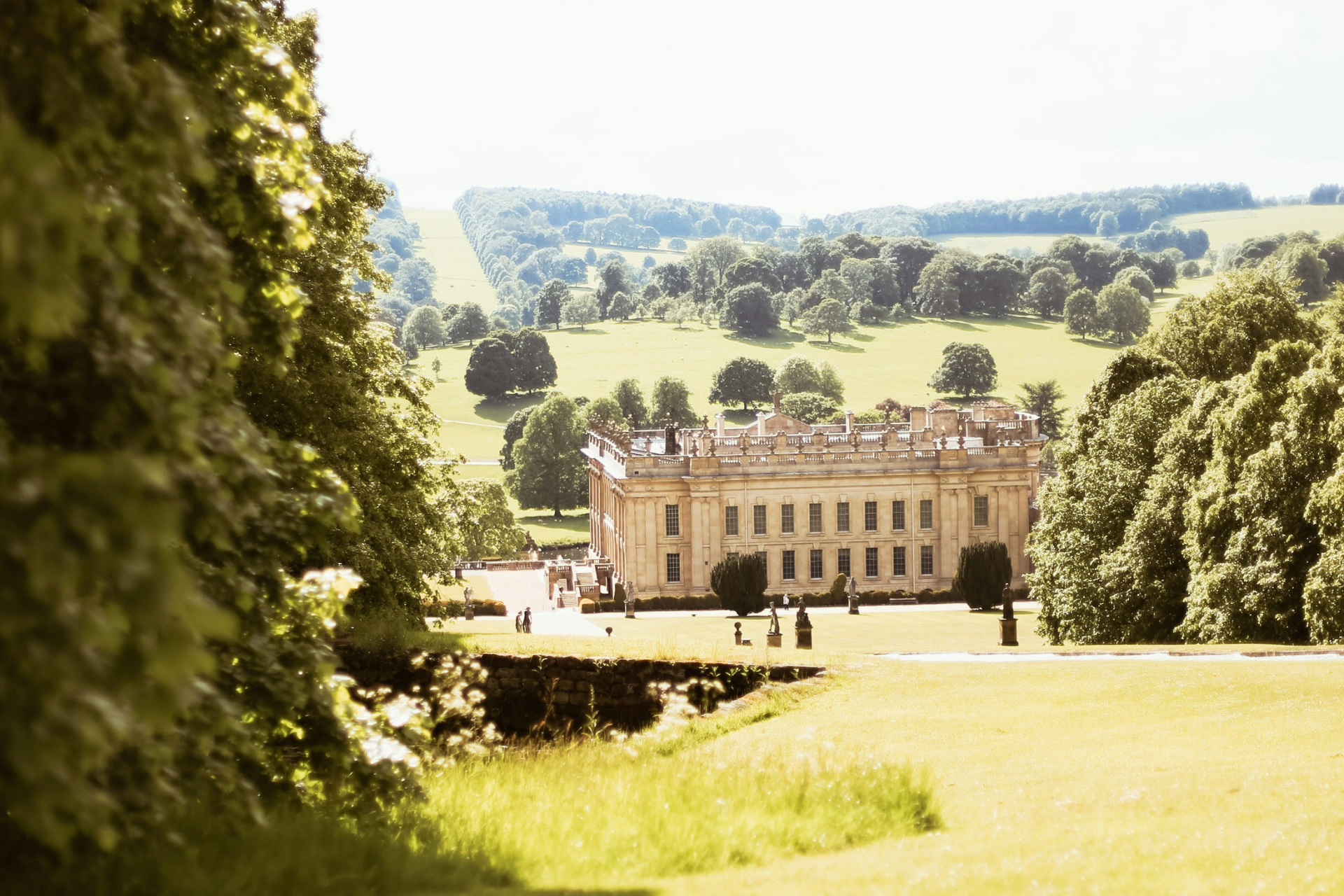
Chatsworth House is one of England's most impressive stately homes, with formal gardens, world-class art collections and a working farmyard.
Plus, the surrounding parkland is free to walk through, and the farm shop is among the best in the country. It’s the perfect place for a full day out, and a must-visit for first-timers.
We've written a full Chatsworth House guide covering what not to miss, the best time to visit and how to make a day of it. For upcoming events, see our Chatsworth events guide.
Bakewell
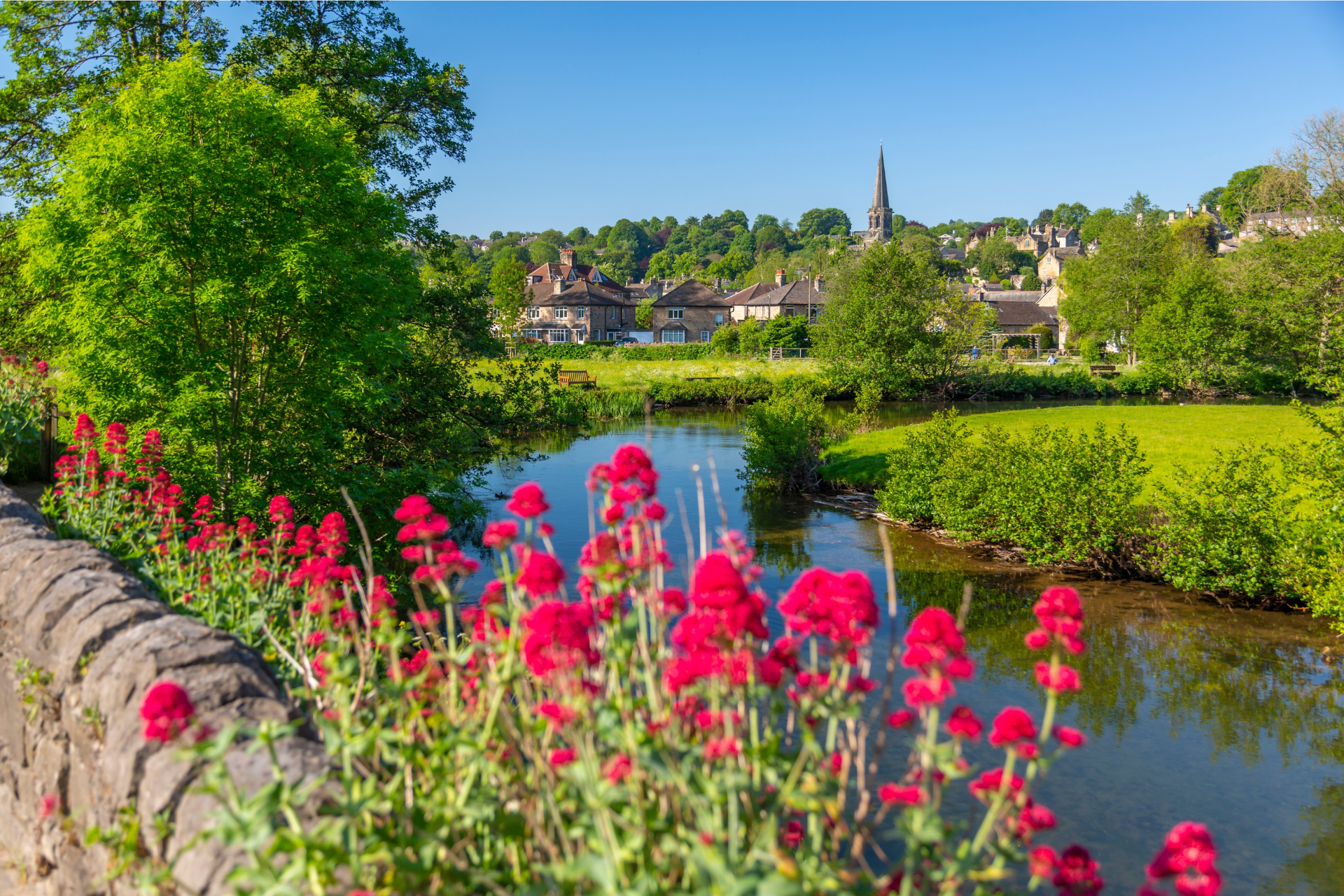
Bakewell is the Peak District's most visited market town. Here, there’s plenty of independent shops, riverside walks, and the only place to eat a proper Bakewell Pudding (the original, with flaky pastry and jam; not the iced tart sold everywhere else).
Our B&B near Bakewell page covers what makes this corner of the park worth staying in.
Walking
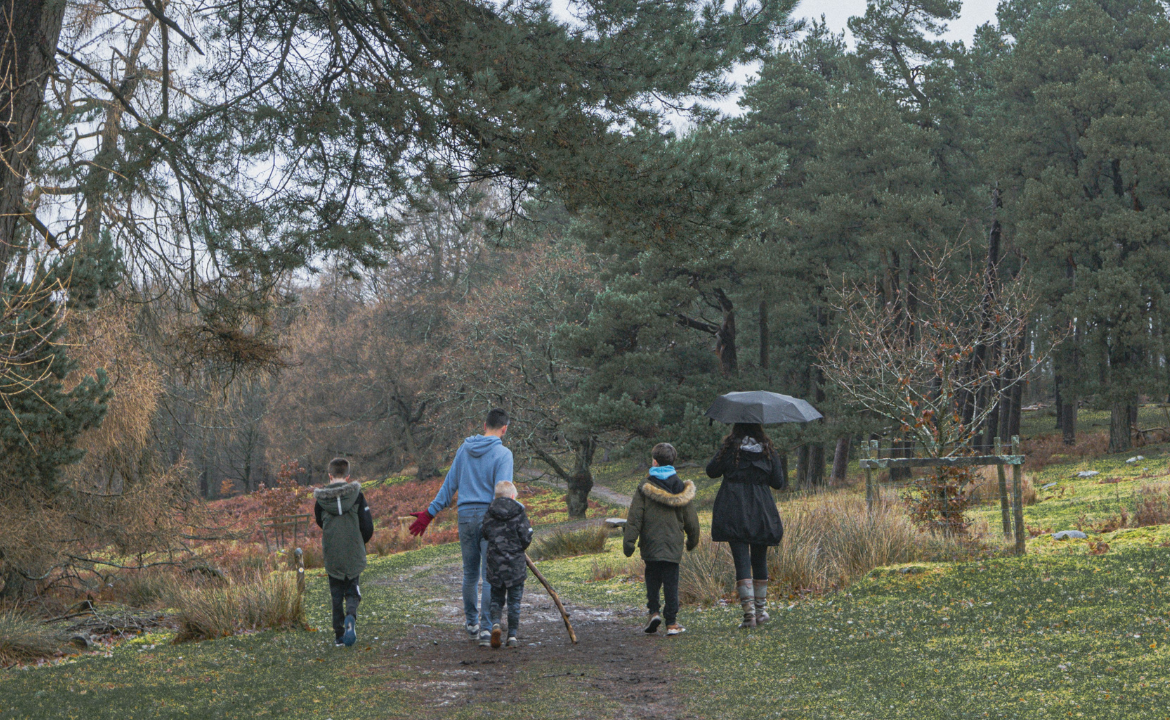
Walking is one of the most popular activities for visitors to the Peak District, with over 1,600 miles of rights of way. The best walks for first-timers:
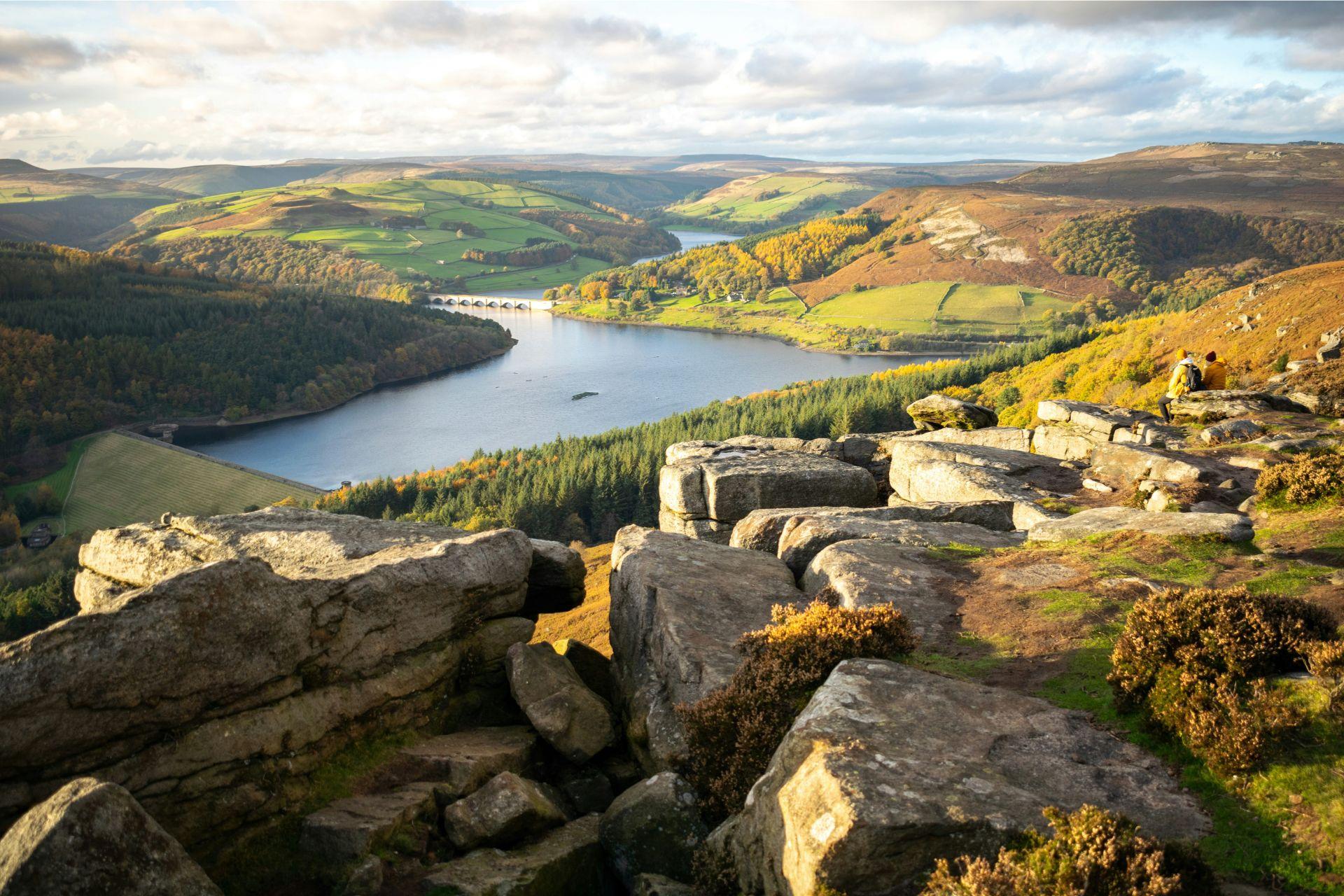
Curbar Edge and Baslow Edge: a 4-mile circular walk with extraordinary views across the Derwent Valley
Mam Tor: the most iconic beginner-friendly summit, towering above Castleton with 360-degree views over the Hope Valley
Dovedale Stepping Stones: a more easy-going, flat, beautiful limestone valley walk in the White Peak
Padley Gorge: sheltered ancient woodland near Grindleford, that's good in any weather
The Monsal Trail: flat, traffic-free and dramatic, especially the viaduct section near Monsal Head
Castleton
Castleton is a small, iconic village right at the head of the Hope Valley, with Peveril Castle above it and four show caverns within walking distance.
Peak Cavern, the largest cave entrance in Britain, known locally as “the Devil's Arse”, is one of the caves to prioritise. Plus, the drive over Winnats Pass is one of the most dramatic in the area.
Haddon Hall
Haddon Hall is often overlooked in favour of Chatsworth, but in our opinion, it’s genuinely unmissable. A medieval manor house that has barely changed since the 15th century.
For Dog Owners
The Peak District is excellent dog-walking territory. Open access moorland, dog-friendly pubs, cafes and restaurants, and Chatsworth Park welcoming dogs on leads.
We're a dog-friendly B&B, and our own dogs will likely greet you at the door! For planning trips with four-legged friends, read our guides to dog-friendly holidays in the Peak District and dog-friendly cottages.

Where to Stay
Where to stay in the Peak District, and what type of accommodation you choose, can make or break the whole trip.
Baslow sits at the centre of the park, 10 minutes from Bakewell, 40 minutes on foot from Chatsworth and with direct access to the eastern edges. Bakewell suits those who want amenities on the doorstep, Hathersage is best for Dark Peak walking, and Castleton puts you right at the foot of Mam Tor.
Our full Where to Stay in the Peak District guide breaks down every main area.
If you're thinking what type of accommodation to choose, hotels offer consistency, Inns offer atmosphere, whereas B&Bs offer something neither can: local knowledge, a personal welcome and genuine care.
Self-catering cottages offer space and freedom, particularly for families, groups or longer stays.
For more information, our Peak District accommodation guide compares all four honestly.
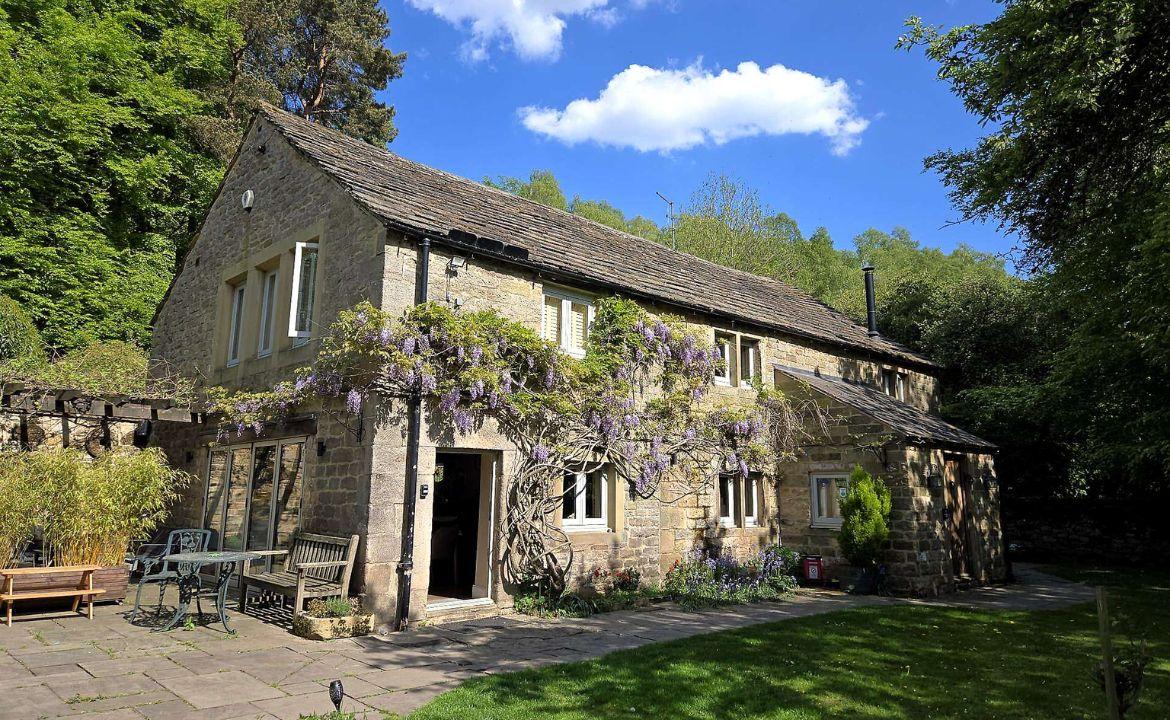
At Robin Hood Farm, we offer both a boutique B&B and a self-catering holiday cottage in Baslow. We’re dog-friendly, with Chatsworth and Bakewell right on the doorstep.
Where to Eat in the Peak District
Chatsworth Farm Shop: Great for a picnic in the park or stocking up for a cottage stay.
The Devonshire Arms, Baslow: Proper food, local ales, and dog-friendly.
The Chequers Inn, Froggatt Edge: A classic Peak District pub with a terrace view worth walking to.
Fischer's at Baslow Hall: Michelin-listed, special dining.
Old Original Bakewell Pudding Shop: Eat a proper Bakewell Pudding before you leave.
For everything near Chatsworth specifically, see our where to eat near Chatsworth House guide.
Practical Tips
Book ahead. The Peak District gets busy in peak season, and bank holidays fill up months in advance.
Download offline maps. Mobile signal can very easily disappear in the moorland. OS Maps downloaded for your area before you leave is essential.
Bring layers and waterproofs always. You can’t trust the British weather.
Wild camping is not permitted in the National Park.
Chatsworth Park is free to walk in. Only the house and gardens charge admission.